When I first attended London Fashion Week as a fully fledged, card-carrying member of the fashion journalistic elite (as opposed to some freelancing blogging upstart) I nearly herniated myself making sure I looked the part. It started with thrift shopping for the requisite vintage Helmut Lang blazer that cost more money than my monthly rent deposit. I raided my boyfriend (now husband)’s collection of men’s watches for an obscure Japanese timepiece borrowed from his co-worker at MR PORTER.
I spent around three hours making sure my hair looked messy enough but not too messy. Despite my best efforts to dress “casually chic” I felt like I could’ve radiated awkwardness from miles away. I sweated through my layered ensemble all day terrified to sit down for fear of wrinkling my clothes, let alone enjoying myself.
But then I saw Michael, The menswear editor of an esteemed British fashion magazine as he breezed past me into the show. Michael was a man whom I’d long idolized from afar.
Surely he’d be wearing an aggressively avant-garde, bespoke blazer that challenged my perceptions of pleats and shoulder construction?
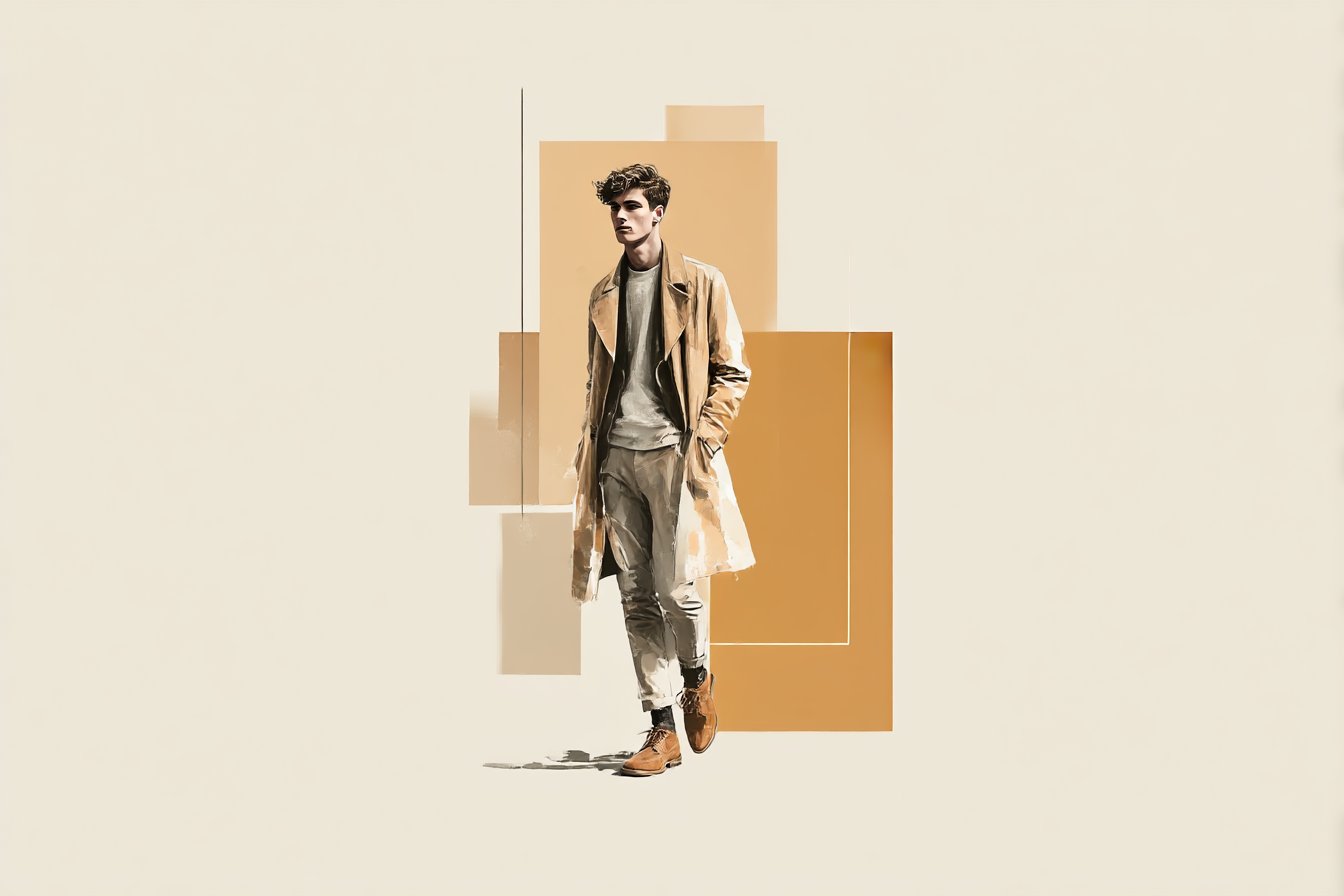
He was wearing dark jeans, a navy cashmere jumper with a simple t-shirt underneath and well-worn Common Projects trainers. Stylish, of course – but more importantly, comfortable, appropriate, and at ease with himself. It was a eureka moment.
See, what most people don’t realize is that what British fashion editors wear to and from fashion shows vs. what they actually wear on a day-to-day basis can look remarkably different. Fashion editors peacocking around during fashion weeks and months is sort of a professional uniform. It’s their sartorial game face.
It comes with the job, like journalists keeping a fancified notebook and lawyers wearing pants with pockets. But once the tent comes down in Paris (literally) and everyone goes back to their offices between seasons, most fashion editors revert back to a uniform of their own. One that’s far more comfortable, and often more telling of their personal style.
Now, I’ve worked with, interviewed, and stalked* the weekdays-away-from-the-office style of some of Britain’s most powerful fashion editors for a very long time now. Long enough to know that there are certain trends and similarities that become apparent once you know where to look. First things first, they know how to shop the basics.
The idea that fashion editors roam the streets of their respective cities wearing head-to-toe designer they spotted on the runway just to pick up groceries at Sainsbury’s is a myth. Most keep their everyday wardrobes fairly muted and simple, but with such a premium on fit, fabric, and silhouette that it would take someone with a trained eye to notice how damn cool they actually look wearing basic tees and jeans. Sarah*, the womenswear editor of another major British fashion magazine tends to rock outrageous coats, structural shoes, and way too many designer bags whilst darting around cities covering fashion month.
She once wore a Nicholas Kirkwood shoe that made my eye literally bulge out of its socket to just pop to the coffee shop downstairs. On an average Tuesday at work, you’ll find her in black jeans (she’s into Japanese and Scandinavian denim but they always seem to cut them better than anyone else), a well-fitted white or grey t-shirt that looks expensive despite probably not being, and a classic blazer that’s either vintage Jil Sander or modern APC. She might wear a cool pair of glasses or quirky earrings to play up her fashion editor credentials but for she most part, Sarah knows how to dress herself like a boss and keep it simple.
Most men’s fashion editors are of a similar mind, though with their own tailored spin. James* has worked as the style director of one of the UK’s largest monthly fashion magazines for over fifteen years. In that time, he has worn some iteration of the same outfit dozens (maybe even hundreds) of times.
Well-fitting trousers in either navy or dark grey, a blue Oxford button up shirt that looks entirely normcore until you realize that the way his collar rolls is more calculated than most of our outfits and white sneakers or suede desert boots. His worn-in Daniel Collins belt and rarely seen watch are about the extent of his fashion-industry disclosures. There’s method to their editorial madness too.
British fashion editors dress like they do because when you’re career revolves around judging the latest batch of designer collections, you want to wear whatever minimizes decisions in your life that aren’t actually about clothes. You know what else requires little-to-no decision making? Having a personal uniform.
After eighty hours of fashion shows in four frenetic countries you want something fuss-free that’ll allow you to hit the ground running back at the office. Literally and figuratively. Uniforms also stem from the fact that, like most creatives, fashion editors tend to flock to certain retailers.
They may be critiquing these designer collections weekly but when it comes to shopping for themselves, most go to the same tried and tested places. Trust me when I say that Margaret Howell is basically the unofficial uniform for certain British fashion editors. Male and female.
I once saw three top female editors from completely different publications at a press breakfast wearing three completely different Margaret Howell shirts with ZERO premediation. Same thing with COS. That ubiquitous Scandinavian brand knows how to do a minimalist basic better than anyone else.
You Might Also Like
Tailored shirts, t-shirts, trousers, and especially those silk dresses that every British fashion editor owns in at least three colours. I’ve even heard rumours of certain industry figures hoarding Uniqlo cashmere (thanks to their collaborations!) when they’re Stateside. It’s less about wearing brand-y clothing and more about wearing accessible brands that THEY know actually cater to their high standards and will stand up to scrutiny from coworkers and colleagues who quite literally look at clothes for a living.
Comfort is another thing I’ve noticed about how fashion editors dress away from work. Most of these people will happily suffer through outrageous footwear and skimpy clothing for the sake of showing face at a show or on a shoot day but catch them on your average Wednesday, and they’re practically living in joggers. I’ve heard about this trend too.
Janelle, head of fashion at Eastern Publisher* told me that she finds jackets with elasticated waistbands that are ‘virtually invisible’ to anyone but herself and cashmere jumpers that look tailored but feel like bunny blankets. If there’s one thing fashion editors understand, it’s the difference between clothes that look great on you and clothes that feel great on you. And when they’re not at work ‘on duty’, 90% of the time they opt for the latter.
Fashion editors also tend to have an uncanny knack for taking bland, pared-back clothing and styling them in such a way that looks curated, not casual. Perhaps it’s how they roll up their shirts, or always have a scarf hanging low around their necks. Some wear oversized vintage men’s shirts with tailored trousers so well that it looks intentional instead of like they raided their boyfriend’s wardrobe.
Other times it’s as simple as the way they wear jeans and tee shirts, but with weird silhouettes or colour-blocking that makes you do a double-take. Either way, there will always be something. One thing.
That gives it all away. Which brings me to accessories. When it comes to jewelry and bags, this is where even the most minimalist dressers tend to splurge.
Whether it’s an arsenal of vintage silk scarves they’ll throw over a plain shirt, knowing an eccentric pair of sunglasses when they see them or sporting a watch only other watch enthusiasts would recognise as ‘Instagramable’ without screaming “LOOK AT ME I WORK IN FASHION!” to the everyday consumer. Speaking of watches, coats and jackets are another investment piece that British fashion editors don’t scrimp on. Britain, in my experience, has wildly erratic weather that can go from “warm enough for t-shirts” to “ran straight into a waterfall” in under an hour.
As such, a lot of editors I know who will save anywhere and everywhere will drop a small fortune on a really wonderful coat. A classic waxed trench from Mackintosh, a wool Joden or Acne Studios coat, or seasonal showcased pieces from Simone Rocha or Emilia Wickstead worn over high-street bargains. Same rule applies: if they’re wearing it, it’s probably worth the money and will last them years.
Lastly, shoes. If you’ve ever spent any prolonged period of time around fashion editors during fashion month you’ll know that comfort is key when you’re sprinting between shows all day. But they also know how to buy shoes that will last a decade.
Common Projects, Church’s loafers, Grenson brogues, and killer boots (“killing” both as in stylish and sending to early grave) are some of my most frequently spotted shoe styles. To the point where many of the female editors I know have an entire drawer full of Penelope Chiver boots they’ve had resoled rather than replace years ago. What you won’t see a lot of are flashy brand logos and oversized slogan tees in their everyday wardrobes.
Outside of a well-loved logo nylon Prada backpack or minimalist monochrome Loewe puzzle bag that will signal to other industry insiders “Hey! I know what you mean!” without having Topman plaster their wealth all over their chest for the public to see. Speaking of vintage, plenty of my senior editor friends are also vintage aficionados.
We’re not talking IG vintage trendy throwbacks here, but special vintage pieces that no one else will think to layer under a contemporary blazer or pair with modern jeans. Like the elder editor I mentioned earlier who has a seemingly endless collection of YSL blazers from the 1970s that have all been tailored to fit her perfectly. Or another menswear editor who owns a vintage Japanese leather jacket that is now THAT textured from wear he can’t even remember where he got it.
Clothes with patinas and pedigrees all their own.
What I will say is that a lot of editors I know have developed really weird superstitions and habits when it comes to dressing away from work. Like how my former editor boss would literally refuse to wear anything but navy on days when she was flying anywhere. “It’s my travel uniform,” she’d tell me. “Clothes don’t get lost on planes when they’re navy.” I have no idea if that’s true, but she still travels in all black today.
Another male editor will only wear clashing socks if he’s having a bad day, believing it’ll scare off the universe and restore some sort of fashion-based justice. It’s weirdly endearing, in a way. My favourite thing to see, though, is how British fashion editors tend to dress on their days off.
When they’re not worried about stares at the office or running around to interview celebrities and read trends for weekly magazines. They tend to head straight for the cotton bargains at places like Whistles and Uniqlo or thrift stores and modest necklace chains at charity shops. They’ll throw on their favourite jeans, a well-worn tee shirt, a favourite vintage cardigan and a pair of trainers and be just as content.
If not more. Style isn’t something you’re born with, it’s something you develop over time. For fashion editors, those off-duty moments are when you see their true personal styles shine through.