I wore my first “real” suit when I was twenty- two years old, to attend my college roommate’s wedding. It was navy blue, from Brooks Brothers, off the rack, with sleeves about an inch too long. The salesman (this elderly man who kept a tape measure around his neck like a necklace) referred to me as “young sir” for what felt like hours as he described how they would need to let the suit jacket’s sleeves down and let the trousers’ legs hem up.
I nodded along politely, pretending to know what the hell “breaking on the shoe” entailed while internally panicking that I wouldn’t be able to afford the suit and dinner that week. I wore that suit to six more weddings, two funerals, and my first three post-college job interviews. Feeling fancy.
Feeling pretty goddamned awesome, actually, until I attended a media event in Chicago a few years later and the bartender asked me why I wasn’t helping out with table service. “Um,” I said. “Because I’m not a banquet server?” I realize now there’s a difference between wearing a suit and wearing it confidently. Who would’ve thought?

It’s no secret that American men have always had a weird relationship with tailored clothing.
Between our collective bad taste (partly caused by a culture that shames men for caring too much about their clothing) and a distinct lack of instruction regarding the when’s and why’s of wearing a suit, we just plain old suck at dressing up. It’s like we’re expected to jump into the game at halftime with no knowledge of the rules. Over the past decade, reporting on menswear for work and watching dudes I know navigate everything from weddings to office dress codes in their daily lives, I’ve become fascinated by how American men approach dressing up in the 2010s.
The rules of what “business casual” or “dressed for success” used to mean are still hovering over us (you generally need a dark suit and tie for serious business), but how we execute those standards has changed. Our world has changed. Dad wore a suit to fly on airplanes; kids these days maybe wear one ten times a year, if that.
The upside? Because we live in a world where very few of us feel the need to wear a jacket and tie every Friday, we actually have room to play with how we tailor our clothes. The American menswear industry is at this weird crossroads right now where we still prioritize craftsmanship and appreciate classic style, but are redefining what that means in terms of fit, fabric, and occasion.
The truth is, it’s never been a better time to be a dude who wants to look sharp without looking like he’s trying to impress an IRS auditor. We’re allowing ourselves to experiment with cuts (try finding a sports coat with those puckered shoulders that somehow refuse to flatten out!) and fabrics and styling, while maintaining the tailoring that keeps our outfits looking pulled together. The first step is understanding that just because you’re dressing up doesn’t mean you have to wear your clothes like a vice.
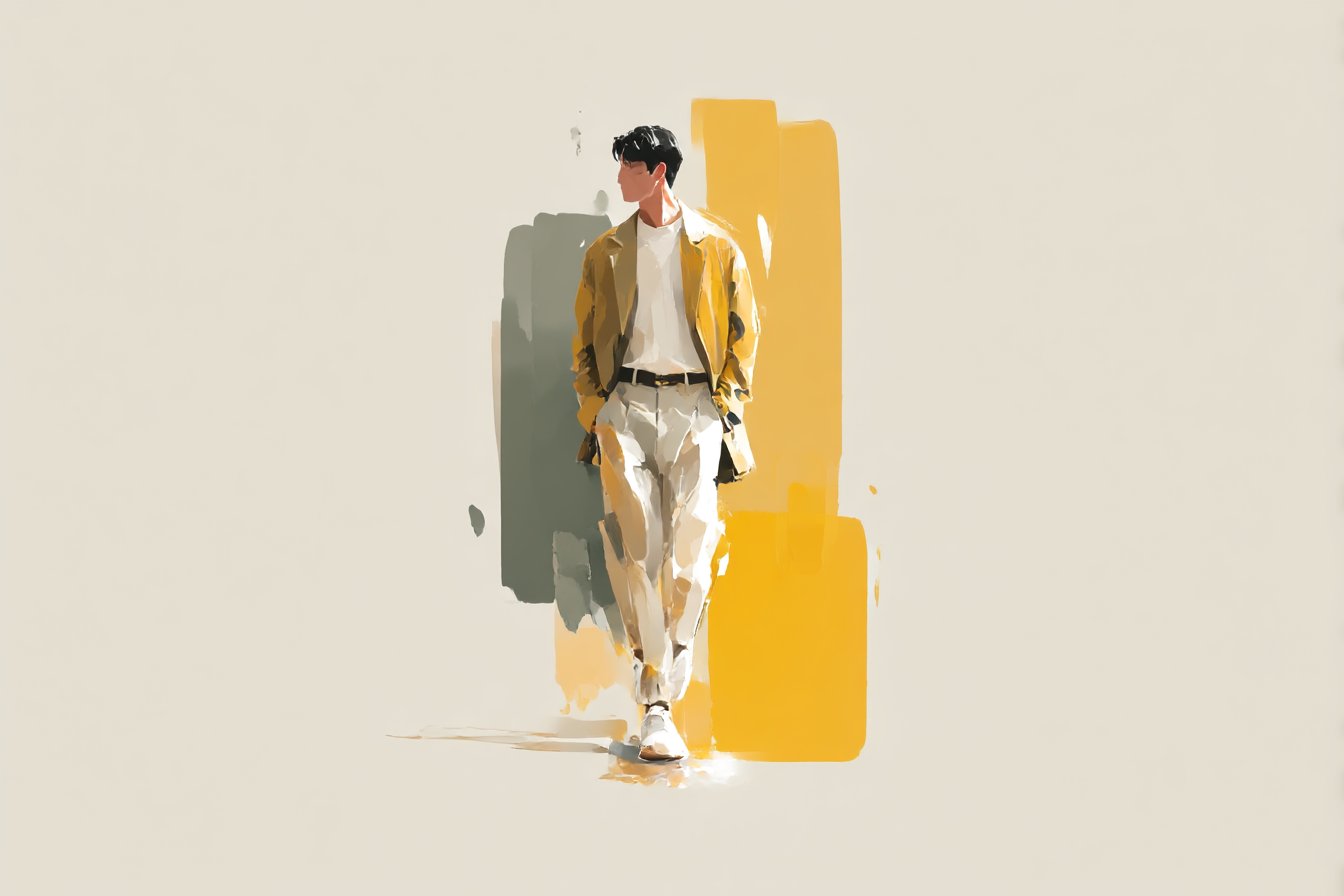
My friend Marcus works in tech, managing a team but also meeting with clients. He has this whole rotation of unstructured sport coats he rotates from the fantastic Ring Jacket. (Seriously, try their cereal box shirts.) They have these unbelievably soft shoulders compared to the Brooks Brothers-esque padding American suits have sported for the past fifty years. He’ll wear them with slim cotton trousers and suede loafers.
Modern proportions – the jacket’s got a shorter length, higher armhole, slimmer sleeve – but still looks put together and respects the occasion. That right there is what’s changed. We’re moving away from stiff, structured formalwear and learning how to keep tailored clothing…well, tailored without making guys feel like they’re being coached in basketball movies.
Bonus: it actually looks better. Take how American men have finally realized that clothes should fit your body, not the other way around. Last month I sat down with Tom at Southwick, which has been making suits in America since 1882, to talk about how suits have changed.
He put it simply: “We built suits like buildings used to be built. Boxy. Now we’re learning to build them like tents.” What does that mean for you and me?
Clothes that have a little give. Jackets that don’t choke your arms when you try to move. Trousers that aren’t working against you every time you sit down.
It’s wild I even have to mention this, but hear me out. Go look in your dad’s closet and I bet you’ll find one of those old-school padded suits with shoulders that could double as luggage bags. Back in the ‘90s, the Italian influence on American style brought us hugely slimmer suits that most American bodies just weren’t made to fit into. (I was guilty of this circa 2010, sweating profusely in my double-breasted number.
I apologize to the photo archives for burning those photos.) We’re finally arrived at a happy medium where fit matters more than being, say, bubble-like or painfully thin. “I think American men are finally dressing for their bodies, rather than dressing how a magazine tells them to,” says my tailor Manuel in Chicago. “You come to me with square shoulders, I make you square jacket. You have round shoulders, you get round jacket. It’s about not fighting with your clothes every day.” This also means we’re not forcing ourselves into stiff fabrics just because we’ve been told that’s how you “wear a suit.” Guys these days are finally branching out and trying new textiles that allow for movement and don’t make you feel like you’re wearing a plastic bag.
You Might Also Like
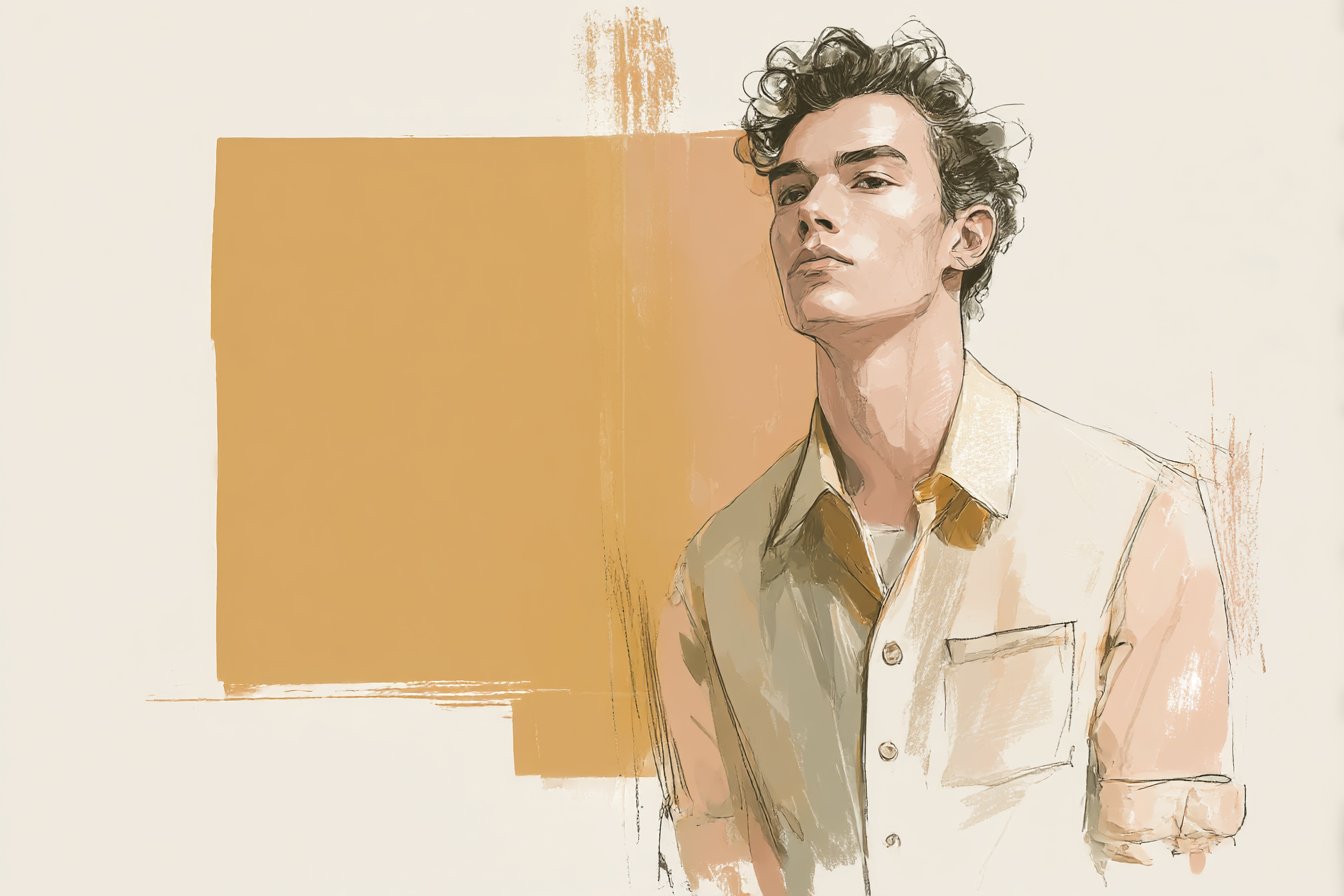
Silks, linens, wool blends that don’t snap back into shape when you take them off. I know, crazy. I spent last fall in Nashville talking to the owner of this small-batch suit maker about how they were seeing more men move away from traditional suits and toward lightweight sport coats.
They’ll sell dudes three sport coats for every one suit they sell him, but he assured me they were seeing men wear those jackets more frequently than they ever wore suits. Makes sense – if your suit feels like it was painted on, you’re gonna hang it up and never touch it. But throw that jacket on over a tee and suddenly it’s your go-to for so many occasions.
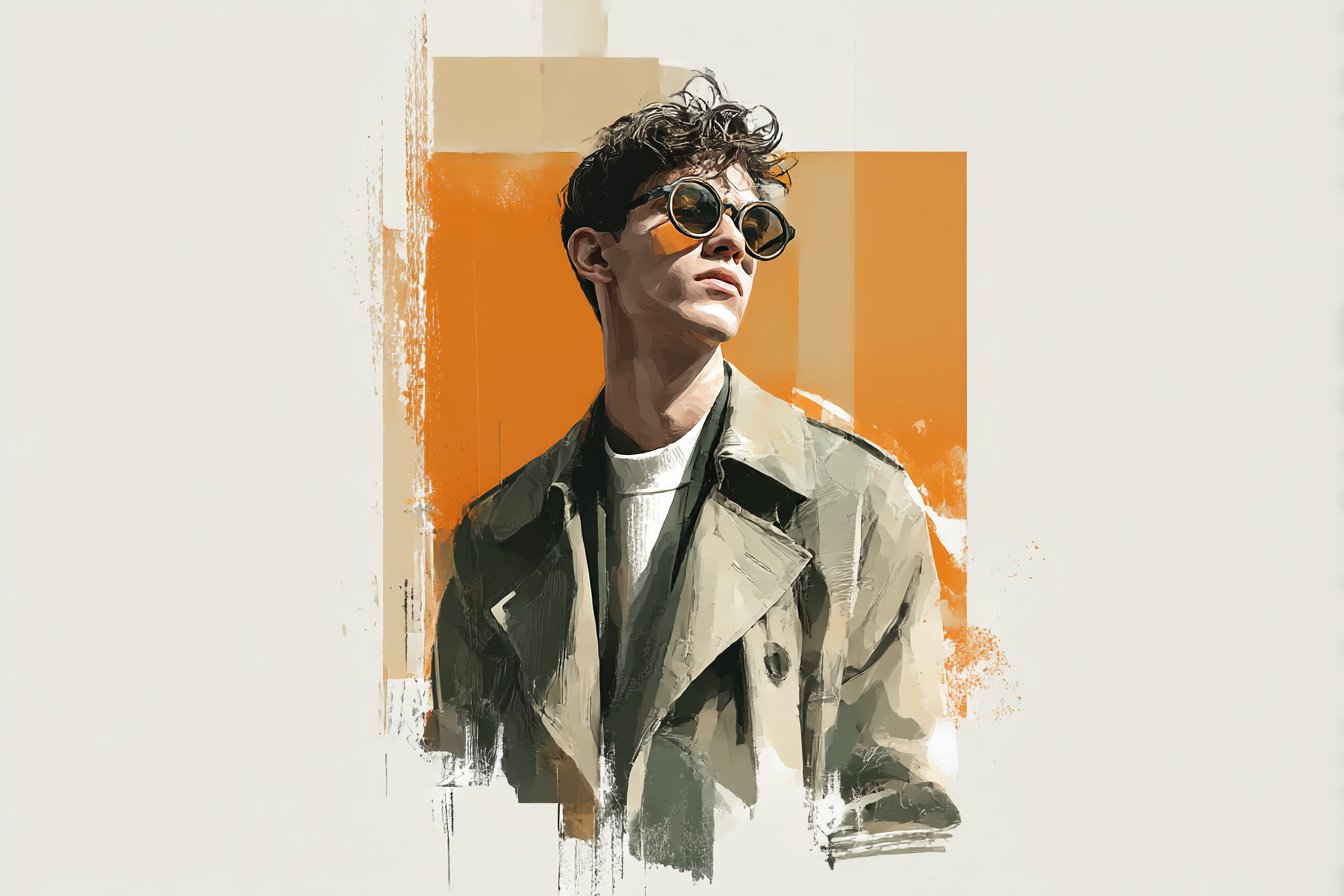
Even what we consider “suit colors” is changing. Sure, most American dudes will wear navy, charcoal, and then repeat. But guys are also dipping into olive green, rich brown, and even garnet and rust for tailored jackets these days.
I distinctly remember buying my first non-navy-blue “business” jacket – a tobacco brown number from J. Crew – and feeling perpetually nervous to wear it in client meetings. Then I realized it actually went with more things than my dads’ navy blazer ever did.
Been packing it on every work trip since. How we’re styling these suits is different too. A matched suit isn’t going out of style, but we’re breaking it up more.
That navy jacket? Pair it with mid-gray trousers or even civvier chinos. Swap your striped tie out for a knit version or leave the tie altogether, but wear a sharper collar on your dress shirt or a fancier pocket square.
It’s less uniform, more purposeful. I’m not saying we should all show up to weddings in linen suits or strut into job interviews in linen-jacket-and-chain combos screaming “basically professional!” all out of context (shout out to the one interviewer who did this…I wore him down and hired the dude. He was sweating so hard.
Poor kid.) Yes, some occasions still require a full-on suit and tie. But when they do, America’s approach to tailoring has finally struck a balance between respectable and realistic. “I don’t think Americans have to wear suits,” said Jason, who owns this wonderful menswear shop in Denver. “No one’s making you wear a suit. But you choose to wear tailored clothing because you like how it looks and feels.” Damn, Jason.
Why did you have to coin the perfect philosophy behind modern American tailoring? There’s a reason his shop’s become such a legend. It all comes back to mindset.
My buddy David is an architect who can literally get away with wearing slacks and a t-shirt to work every day but insists on wearing a tailored sport coat with every outfit. When I asked him why, he shrugged and responded with, “I like pockets.

And I like how they make my shoulders look.” There you have it.
If you want to rock the modern American-made way of tailoring without overthinking it, remember these three things: fit, moveable fabric, and wear your damn jacket with pride. Fit is everything – make sure it’s not too slim but also not too loose all over. Ask your tailor for softer constructions that will move with you, not restrict you.
And finally, wear the shit out of it. wear_it_out clothes that fit your body AND flatter it. Photos: Lars Campbell I’m not sure when I started paying attention to clothing more than just covering my nakedness, but somewhere between graduating college and buying that aforementioned wedding suit, my girlfriend said something along the lines of, “Dude, you like clothes way too much.” She wasn’t wrong. As soon as I figured out how clothes made me feel, I was hooked.
These days I’m a quasi-healthy clothes addict, looking for the thread that connects great tailoring with how it makes me feel when I wear it. I think that’s what’s happened to American dudes. We’re beginning to understand how great our clothing can make us feel when it fits well and allows us to move like, well, humans.
Welcome to 2019, fellows. Let’s make it a good one.